What to Drink Instead of Coffee at 3pm (An Indian Office Guide)
Caffeine maths, what's really in chai, coffee and cola, seven better afternoon drinks and a four-week plan to drop the 3pm cup.

Quick answer: the best afternoon swaps for coffee are a big glass of cold water first, then something with flavour and no caffeine: chaas, nimbu pani without sugar, coconut water, or a sugar-free effervescent drink. Caffeine after 2–3 pm can still be in your system at bedtime, and the afternoon slump is partly your body clock, so another coffee often doesn't fix it.
It's 3:10 pm
Lunch was rajma-chawal. The spreadsheet has stopped making sense, someone has ordered a round of cutting chai, and your hand is already reaching for the office coffee machine.
We've all been there. We make drink tabs, and half of our team still had that exact afternoon routine until we started paying attention to what it was doing to our evenings. Here's what we learned.
Why you crash at 3pm in the first place
Two things happen at once. Your body clock dips: alertness naturally drops in the early afternoon, roughly 1–4 pm, whether or not you've eaten. Sleep researchers call it the post-lunch dip. It's the same reason siesta cultures exist, and it isn't a sign that you're lazy or that you need more caffeine.
Lunch makes it worse. A large, carb-heavy meal (most office lunches in India) makes the dip deeper. So does being mildly dehydrated, which is easy in an air-conditioned office where you've had two cups of tea and almost no water since 9 am.
Coffee masks the dip for an hour or two, but it doesn't fix either cause. And it creates a third problem.
The caffeine maths most people skip
Caffeine has a half-life of about five hours in a typical adult, though it can be anywhere from two to ten hours depending on your genes, whether you smoke, and whether you're pregnant or on the pill. So: at 3 pm, one filter coffee gives you about 100 mg of caffeine. At 8 pm, about 50 mg is still in your system. At 1 am, about 25 mg, the same as a weak cup of tea, while you're trying to sleep.
You may fall asleep fine. Studies on late caffeine show it tends to make sleep lighter and shorter even when people don't notice. Then you wake up tired, need more coffee at 10 am, crash harder at 3 pm, and the loop continues.
ICMR-NIN's 2024 Dietary Guidelines for Indians suggests keeping caffeine under 300 mg a day and avoiding tea and coffee for an hour before and after meals, partly because tannins reduce iron absorption. For anyone who has a cup straight after lunch, that's two reasons to move it.
What's actually in your afternoon drink
Approximate figures per serving. Brands vary, so check your own pack.
Filter or brewed coffee (150 ml): 80–120 mg caffeine, 0–10 g sugar depending on how you take it. Instant coffee (150 ml): 50–65 mg, 0–10 g. Cutting chai with 2 tsp sugar (100–150 ml): 30–65 mg, about 8–10 g sugar. Regular cola (300 ml can): about 25–35 mg, about 28–32 g sugar. Energy drink (250 ml can): up to 75 mg (FSSAI caps it at 300 mg per litre), often 25–30 g sugar unless sugar-free.
Packaged fruit juice (200 ml): no caffeine, often 20–25 g sugar, much of it natural fruit sugar. Unsweetened chaas (200 ml): no caffeine, about 4–6 g lactose from milk. Nimbu pani without sugar (250 ml): no caffeine, about 1 g sugar. Tender coconut water (200 ml): no caffeine, about 5 g natural sugar. A BLYZE drink tab in 250–300 ml water: no added sugar.
Caffeine for coffee and tea from ICMR-NIN (2024). Cola sugar based on Indian labels listing about 9.5–10.6 g per 100 ml. Everything else is a typical range. The table shows the real trade-off: chai and coffee are moderate on caffeine but easy to stack, colas and juices are sugar bombs, and the drinks with zero caffeine and little sugar are mostly the ones your grandmother already knew about.
Seven things to drink at 3pm instead
1. A full glass of cold water, first. Do this before anything else. Half the time, the "slump" is mild dehydration plus boredom. Drink 300–400 ml, walk to the window, then decide whether you still want something else. Often you don't.
2. Chaas. Unsweetened buttermilk with roasted jeera and a little salt is the classic Indian post-lunch drink for a reason. It's light, cooling and good with heavy food. Keep the salt light if you're watching sodium.
3. Nimbu pani without sugar. Lemon, water, a pinch of black salt, some mint. Sour flavours wake you up surprisingly well. The catch is that most office pantries and cafés make it with three spoons of sugar, so make your own.
4. Tender coconut water. Natural sugar, some potassium, very refreshing. Worth it if you have a vendor outside the office. Packaged versions vary a lot, so check for added sugar.
5. Green tea or a weak tea, before 2 pm. If you really want a warm cup, move it earlier and make it lighter. Green tea has about half the caffeine of filter coffee. It still counts towards your 300 mg, though.
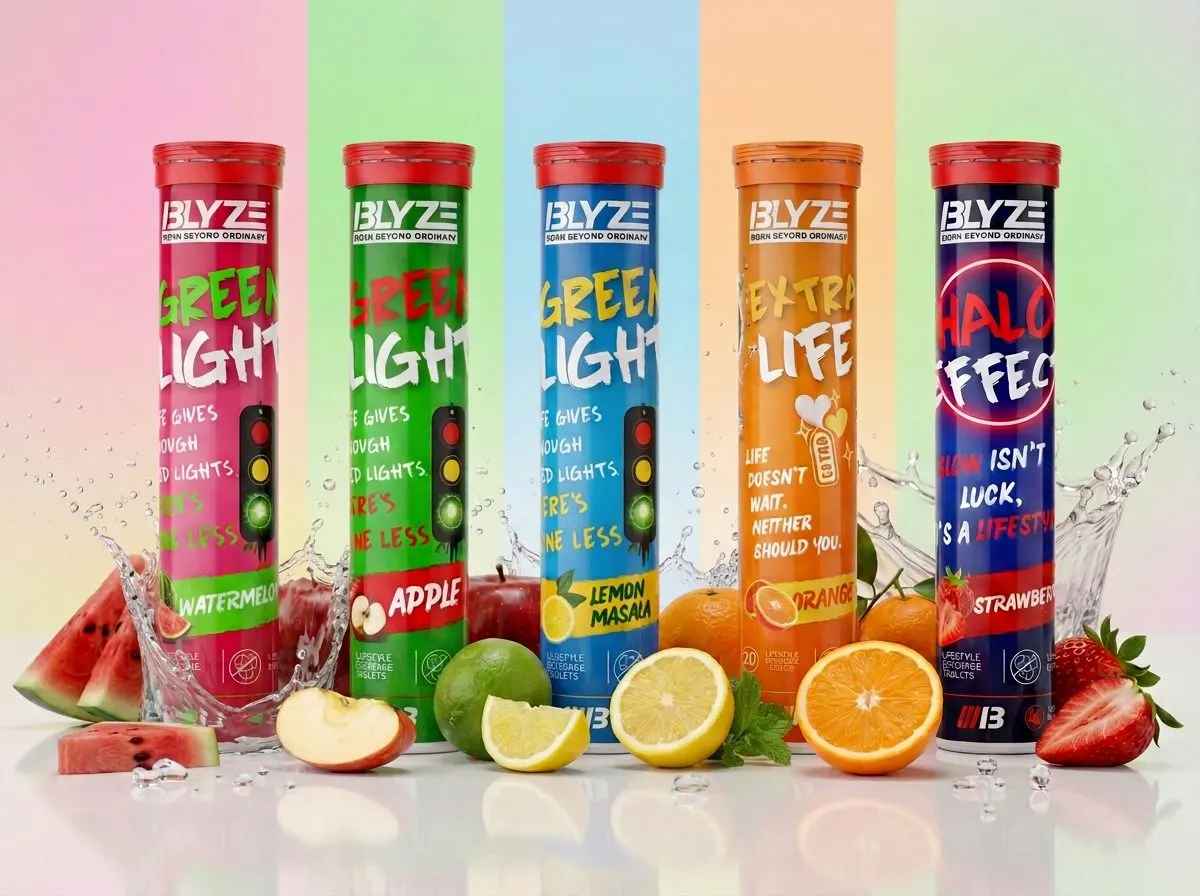
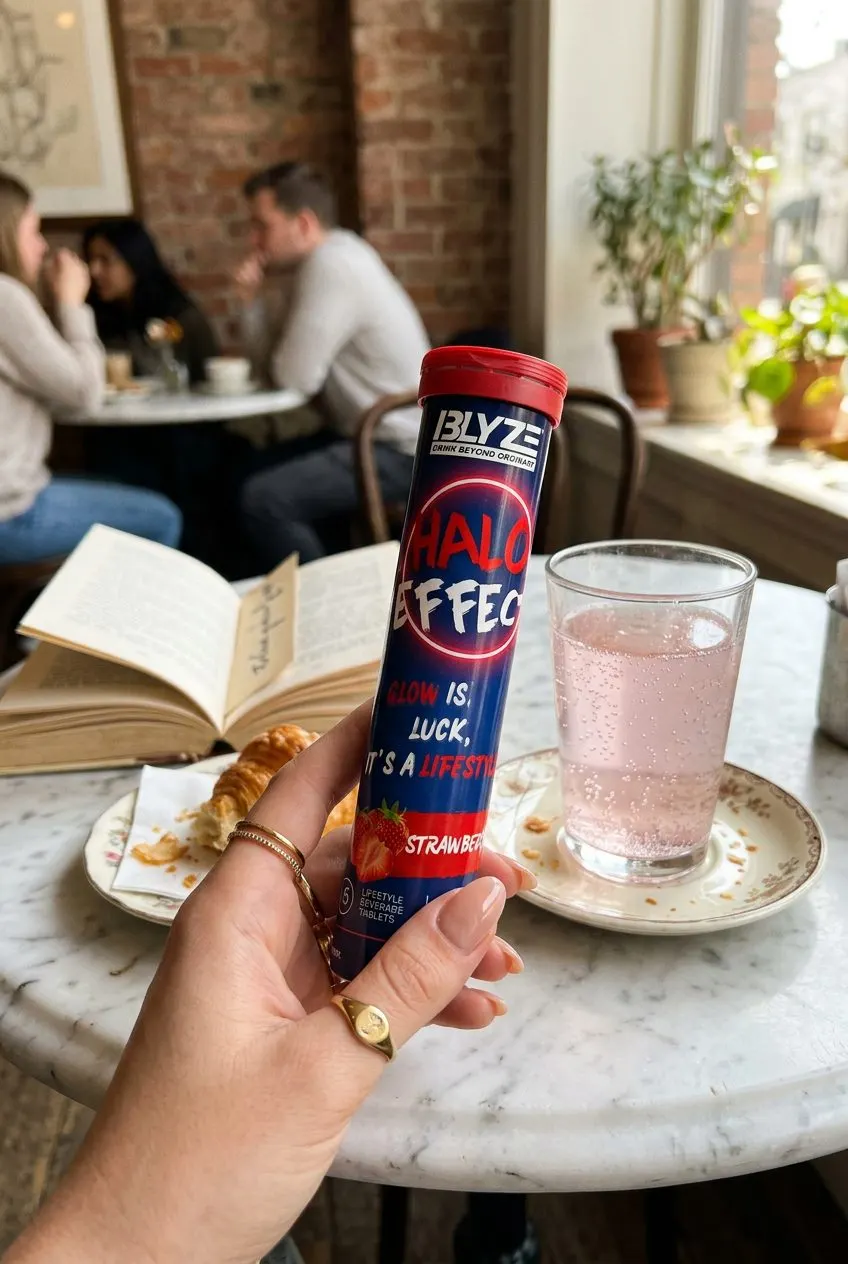
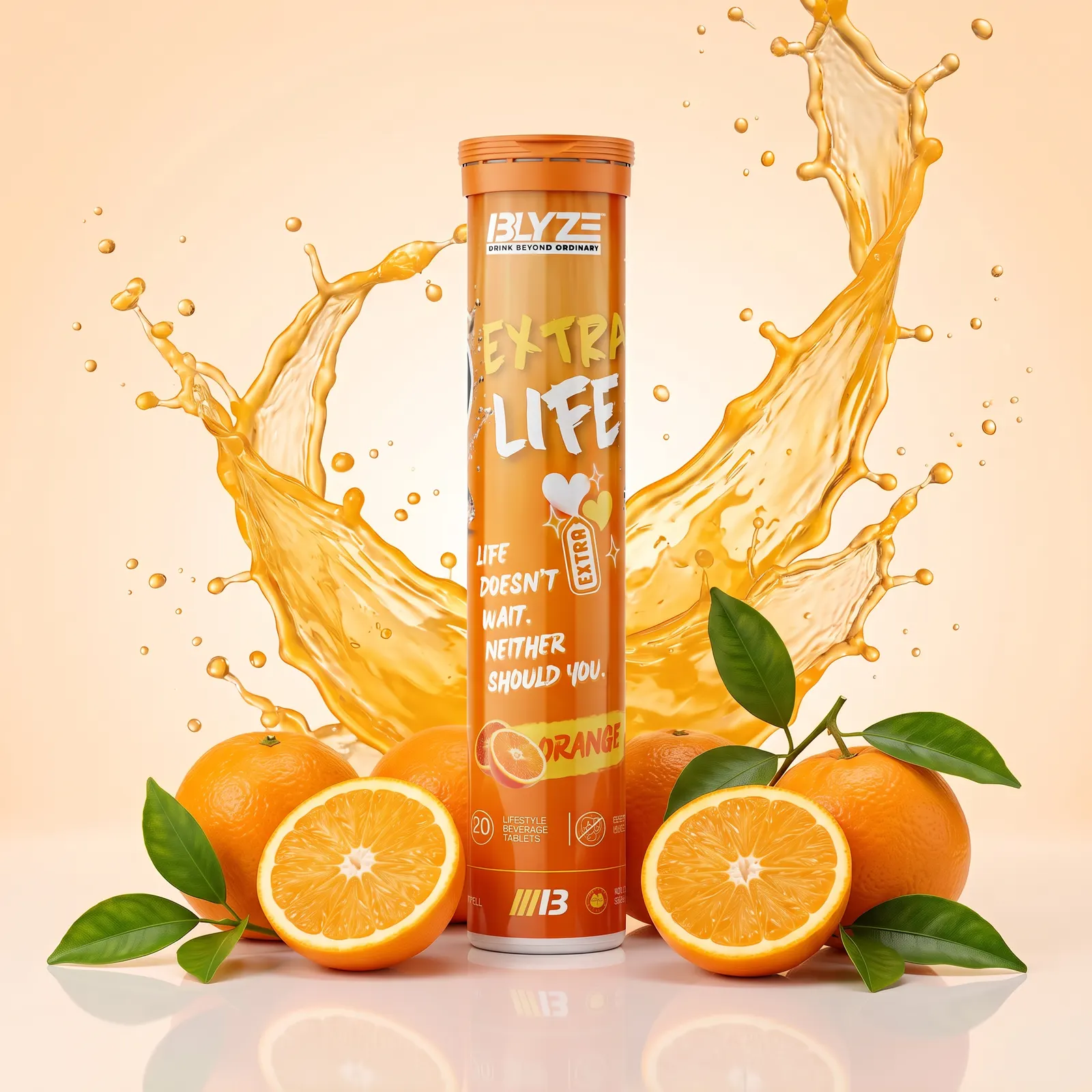
6. A sugar-free effervescent drink. This is where we come in. A BLYZE tab dissolved in 250–300 ml of cold water gives you a fizzy, flavoured drink with no added sugar. The fizz and the cold do a lot of the waking up. We designed Green Light Lemon Masala for exactly this moment: it's tangy and a bit salty, like a sharper nimbu pani. Extra Life Orange is the brighter, sweeter option, at ₹449 for 20 tabs (about ₹22 a glass, less than most office-café coffee).
7. A ten-minute walk, with any of the above. Not a drink, but it beats all of them. Daylight and movement are the most reliable way to lift the post-lunch dip. Take the drink with you.
How to break the 3pm coffee habit without a headache
If you've had a 3 pm coffee every workday for years, stopping overnight can give you a caffeine-withdrawal headache for two or three days. Taper instead.
Week 1: keep the coffee but have a full glass of water first, and notice whether you still want it. Week 2: switch the 3 pm cup to half-caf or a weak tea. Week 3: replace it with something caffeine-free from the list. Keep the ritual: same time, same mug, same walk to the pantry. The ritual is half of what you're craving. Week 4: check your sleep. Most people notice they fall asleep faster and wake up less groggy.
Some people bring the swap to the whole team. One of the easiest office upgrades we've seen is a jar of tabs on the pantry shelf instead of a fridge full of colas. Our desk setup post has more ideas for making the pantry run part of the day.
Sources
- ICMR-NIN, Dietary Guidelines for Indians (2024)
- FSS (Food Products Standards and Food Additives) Regulations, caffeinated beverage limits
- Coca-Cola India product nutrition labels
- Drake C. et al., "Caffeine effects on sleep taken 0, 3, or 6 hours before going to bed", J Clin Sleep Med 2013;9(11):1195–1200
Shop the tabs in this post

Questions people ask
- What can I drink instead of coffee in the afternoon?
- Water first, then a caffeine-free drink with flavour: unsweetened chaas, nimbu pani without sugar, coconut water or a sugar-free effervescent drink. These help with the dehydration and boredom behind most slumps without affecting your sleep.
- Is it bad to drink coffee at 3pm?
- Not dangerous, but it can affect your sleep. Caffeine's half-life is about five hours, so half of a 3 pm coffee is still active at 8 pm. If you sleep poorly or wake up tired, try moving your last coffee to before 1–2 pm.
- Why do I feel sleepy after lunch?
- Mostly your circadian rhythm, which dips in the early afternoon for everyone. A large, carb-heavy lunch and too little water make it more noticeable. Lighter lunches, more water and a short walk help more than extra caffeine.
- How much caffeine is safe per day in India?
- ICMR-NIN's 2024 guidelines suggest no more than 300 mg a day for adults. That's about three cups of filter coffee or five to six cups of tea. Pregnant women are usually advised to stay under 200 mg.