ACV Tablets vs Apple Cider Vinegar Liquid: What's Actually Different
Liquid, fizzy tab or swallow-whole pill? What the vinegar studies actually tested, and where an effervescent ACV tab fits.
The verdict first. If you want to repeat what the research on apple cider vinegar actually tested, use diluted liquid ACV, because almost every study used liquid. If you can't stand the taste and want a daily drink with some ACV in it, an effervescent ACV tab is a reasonable option, but it isn't the same dose. Swallow-whole ACV pills are the weakest of the three.
The three forms, side by side
Liquid ACV: used in almost all of the studies. About 750 mg acetic acid in 15 ml (one tablespoon) at 5% acidity. Sharp, sour and hard to drink daily. Must be diluted, because it's harsh on teeth if drunk neat. Best for following a study protocol.
Effervescent ACV tab: not what the studies used. Acetic acid depends on the brand and is often not listed. Flavoured and fizzy, already dissolved and diluted. Best for people who want an ACV drink they'll actually finish.
Swallow-whole ACV pill or capsule: rarely studied, and it did worse when it was. Acetic acid depends on the brand and is often not listed. No taste, but it has caused throat injury when a tablet got stuck. Convenient, with the least evidence.
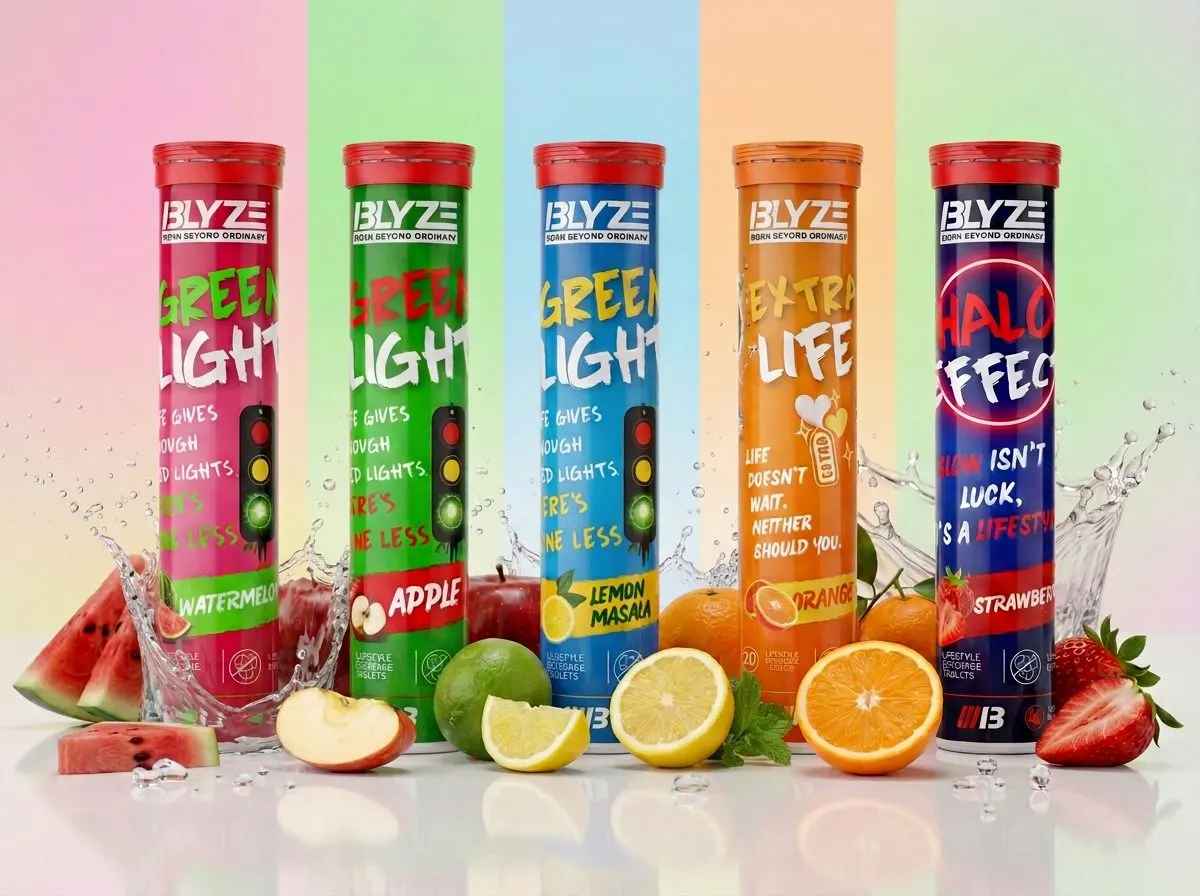
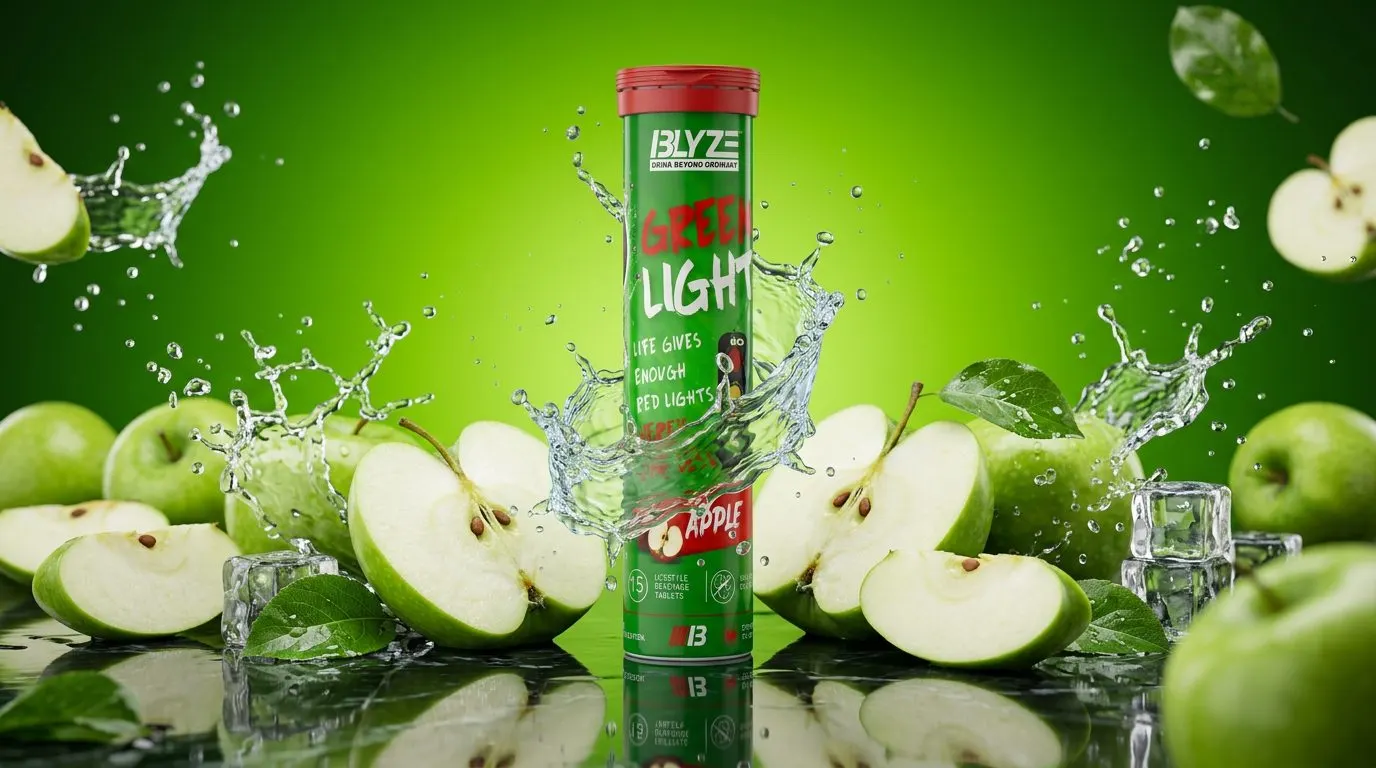
We make an effervescent tab with ACV in it (Green Light), so take our view with that in mind. We'll show you the research we based it on and tell you plainly where our product sits.
What the ACV research actually tested
People cite a lot of ACV studies. Two matter here.
The Japanese vinegar trial (2009). Kondo and colleagues gave 175 obese Japanese adults a 500 ml drink every day for 12 weeks. It contained either 15 ml of vinegar (750 mg acetic acid), 30 ml (1,500 mg) or none. Both vinegar groups ended with lower body weight, waist size, visceral fat and triglycerides than the placebo group. The differences were real but small, in the range of one to two kilos over three months. And it was liquid vinegar, mixed into a drink, every day.
The Lebanese ACV trial (2024), now retracted. If you saw headlines in 2024 saying a tablespoon of ACV a day caused big weight loss in teenagers, that study is gone. BMJ Nutrition, Prevention & Health retracted it in September 2025 because independent statisticians couldn't reproduce the results and found multiple errors. BMJ asked that it no longer be cited. Plenty of ACV product pages still quote it, so check the date and the source before you believe a number.
The pattern is the same across the rest of the research. Most of it uses liquid vinegar, the effects are modest, and the trials are small. ACV isn't magic. It's a sour liquid with a little evidence behind it.
Do ACV tablets work as well as liquid?
At Arizona State University, Carol Johnston's group ran a crossover trial (Feise & Johnston) with 12 healthy young adults. On different days, each person took one of four things with a starchy meal: 25 g of liquid vinegar (1.25 g acetic acid) diluted in water; four commercial vinegar tablets swallowed whole (1.5 g acetic acid, according to the label); the same tablets crushed; or plain water.
Liquid vinegar reduced the blood-sugar rise after the meal more than the whole tablets did, even though the tablets had more acetic acid on paper. The authors' conclusion was blunt: commercial vinegar tablets taken whole at mealtime aren't as effective as liquid vinegar.
Two takeaways. First, form matters. Something about drinking it, whether that's timing, how fast it reaches the gut or contact with the meal, seems to count. Second, "on paper" is doing a lot of work in that sentence.
The label problem
In 2005, the Journal of the American Dietetic Association published a case report about a woman who suffered throat injury after an ACV tablet lodged in her throat. The authors then bought eight brands of ACV tablets and analysed them. Their findings: the labels were inconsistent, the acetic acid content varied widely, and the researchers questioned whether some products contained vinegar at all.
That was two decades ago and in the US, but the lesson still applies in India in 2026. An ACV product is only as good as the amount it actually contains. Here's what to look for:
1. mg of ACV per serving, printed as a number. "With apple cider vinegar" tells you nothing. 2. Acetic acid content, if the brand lists it. ACV powder is mostly carrier, and the acetic acid is the part the studies measured. Liquid ACV is about 5% acetic acid, so one tablespoon gives roughly 750 mg. 3. FSSAI licence number on the pack. You can check it on FSSAI's FoSCoS portal. 4. Dose instructions that tell you how many to take and how.
Where effervescent tabs fit in
An effervescent ACV tab sits between the other two forms. You drink it like the liquid, so it isn't a pill sitting in your throat, and you aren't swallowing a solid lump. It's diluted, so it's gentler on enamel than a shot of neat vinegar. And it tastes like something you'd choose to drink, which matters more than people admit. The best ACV routine is the one you'll still be doing in week six.
What it isn't is a tablespoon of vinegar. Most effervescent ACV tabs, ours included, contain less acetic acid per serving than the 750 mg the Japanese trial used. So be clear about what you're buying.
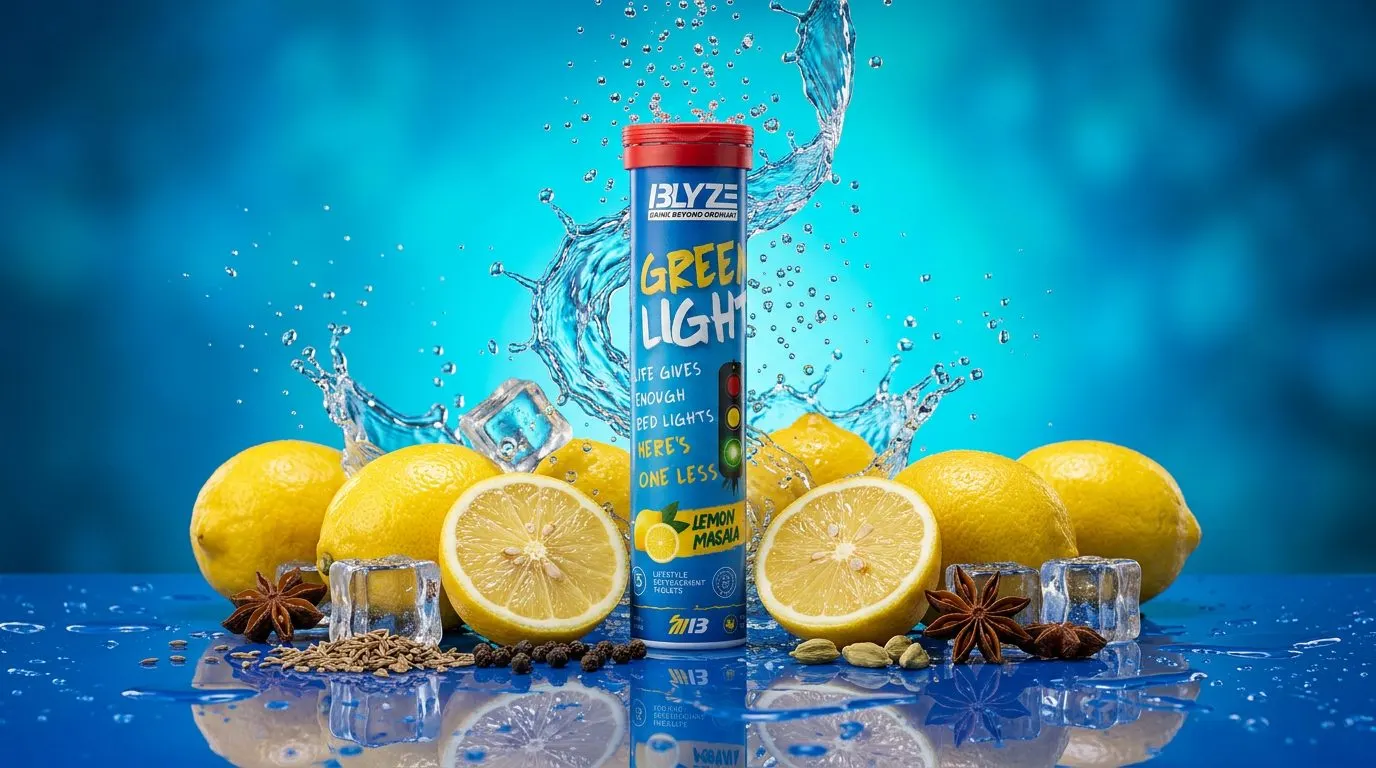
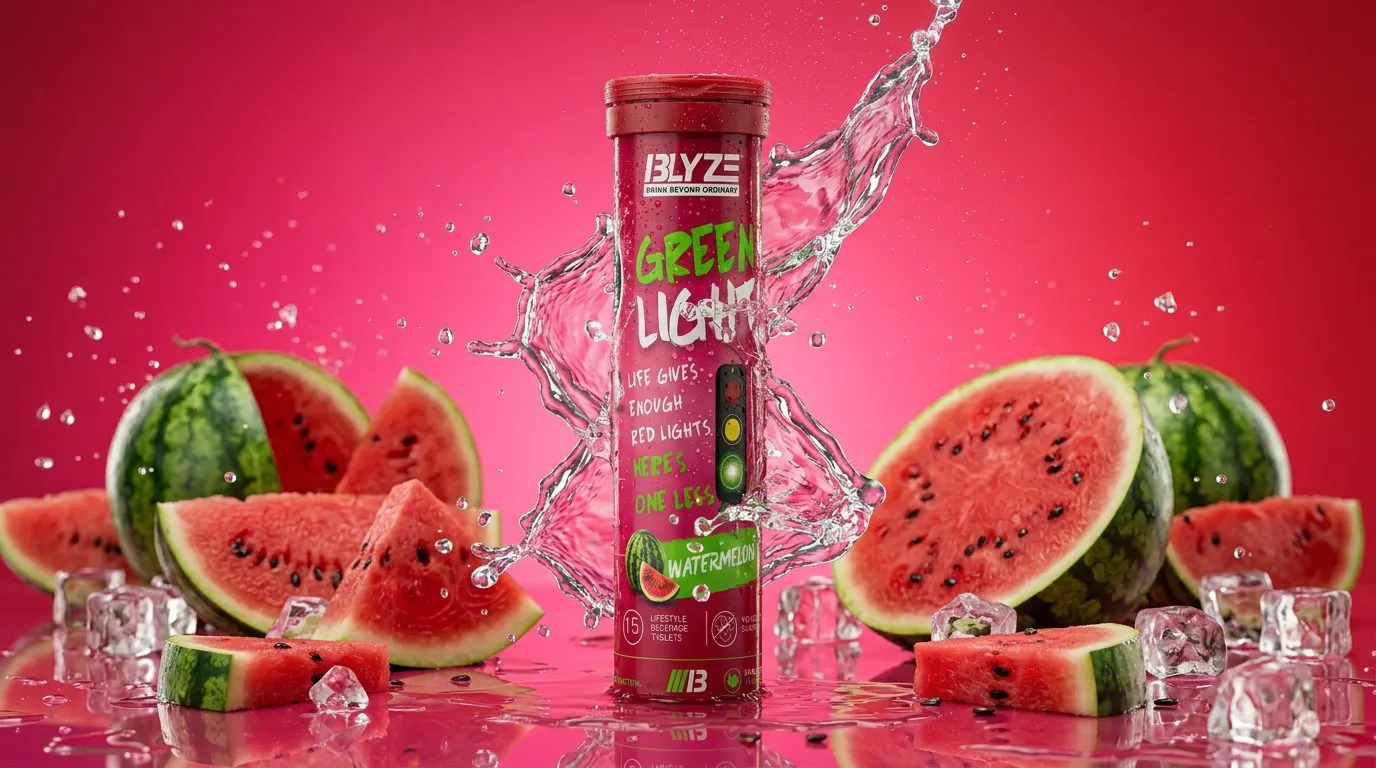
Green Light, in plain terms: apple cider vinegar powder along with moringa, Garcinia and pomegranate extracts and vitamins B6 and B12. It comes in Apple, Watermelon and Lemon Masala, with 15 tabs a bottle at ₹499, and we suggest one tab a day in 250–300 ml of water.
We built it as a better daily drink: a fizzy, sour-sweet glass with no added sugar to replace an afternoon cola or a sweet chai. If you want to follow the 15 ml-a-day protocol from the trial, use liquid ACV. Plenty of people do both: Green Light during the day for the habit, and a diluted spoon of liquid ACV before dinner if they want the studied dose.
How to take liquid ACV without wrecking your teeth
Dilute it: one tablespoon (15 ml) in a large glass of water, at least 250 ml. Never drink it neat. Use a straw if you have it daily, for less contact with your front teeth. Rinse with plain water afterwards, and wait 30 minutes before brushing. Start with a teaspoon for the first week if you get acidity.
Talk to your doctor first if you have reflux, gastroparesis or low potassium, or if you take diabetes medication or diuretics. Vinegar can affect blood sugar and potassium.
Sources
- Kondo T. et al., "Vinegar intake reduces body weight, body fat mass, and serum triglyceride levels in obese Japanese subjects", Biosci Biotechnol Biochem 2009;73(8):1837–43
- Feise B., Johnston C.S., "Commercial vinegar tablets do not display the same physiological benefits for managing postprandial glucose concentrations as liquid vinegar"
- Hill L.L. et al., "Esophageal injury by apple cider vinegar tablets and subsequent evaluation of products", J Am Diet Assoc 2005
- BMJ Group retraction notice, BMJ Nutrition, Prevention & Health, September 2025
Shop the tabs in this post


Questions people ask
- Are ACV gummies as good as liquid ACV?
- Usually not. Gummies often contain about 500 mg of ACV powder and a gram or more of sugar per gummy, and none of the major trials tested them. If you choose gummies, check the sugar per serving as well as the ACV.
- How much apple cider vinegar should I drink a day?
- The best-known trial used 15 to 30 ml a day (one to two tablespoons), diluted in a large drink. Start lower if you get acidity, and don't go above 30 ml a day without medical advice.
- Can effervescent ACV tablets help with weight loss?
- No effervescent ACV tab has been tested for weight loss in a published trial. The weight effects seen with liquid vinegar were small, about one to two kilos in 12 weeks. Treat any ACV product as a drink habit, not a weight-loss treatment.
- When is the best time to take apple cider vinegar?
- Most trials gave vinegar with or just before a meal, often a carbohydrate-heavy one. Taking it at mealtime is the closest match to the research.
- Is it safe to take ACV every day?
- Diluted, at 15–30 ml a day, it's generally considered safe for healthy adults for months at a time. The main risks are tooth enamel erosion and throat irritation from undiluted vinegar, and interactions with some medications.